
Welcome to Eagle Animal Hospital, your trusted veterinarian in Chester Springs, PA for new kitten care. From your new kitten vet visit to building a complete vaccination plan with the FVRCP vaccine and FELV vaccine, our team is here to guide you through every step of your kitten’s first year and beyond.
A Feline Leukemia and Feline Immunodeficiency Virus test is recommended at your kitten’s first visit. A fecal sample to test for intestinal parasites is recommended at 8, 12, and 16 weeks of age, then at their yearly wellness exam. After the 1st year of age, FVRCP and Rabies vaccines are given every 3 years. FELV is recommended yearly.
Fvrcp
Fvrcp Booster, Felv, Rabies (per Pennsylvania state law)
Fvrcp Booster, Felv Booster


Some kittens have no side effects at all after their FVRCP vaccine and other shots. Some may experience mild side effects such as decreased physical activity or pain at the injection site. These side effects should subside in 1 to 2 days. More severe side effects (uncommon reactions) include vomiting, diarrhea, swelling of the face, and hives. If any of these side effects occur, call our office as soon as you notice them.
We recommend spaying female kittens and neutering male kittens at 6 months of age. Pre-anesthetic blood work is performed 1 to 8 weeks before surgery. Your veterinarian at Eagle Animal Hospital, your trusted veterinarian in Chester Springs, PA, will discuss the best timing for your kitten during their wellness visit.
A microchip is a permanent ID that links your pet to you. A Home Again microchip is placed between your pet's shoulder blades, typically at the time of spay or neuter.
Dr. Matunis and Dr. Granite highly recommend the following diets:
Feeding instructions differ by brand and can be found on the bag.
It is imperative that your pet’s specific nutritional needs be discussed with their vet, but if you would like to do more research, we recommend articles from the Cummings School of Veterinary Medicine – Nutrition.
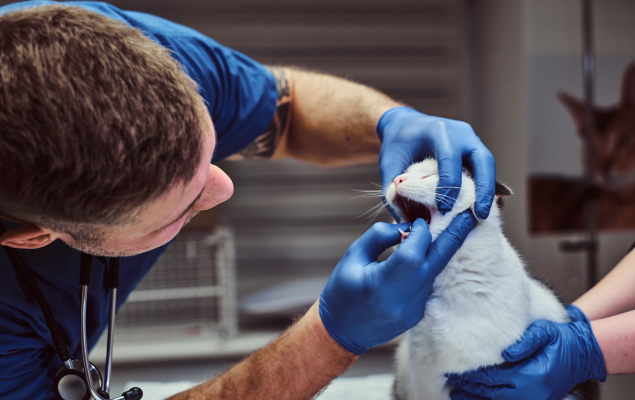
At home, practice opening your pet’s mouth and lifting your pet’s lips on a daily basis. After they are comfortable with that sensation, start rubbing your fingers on their gums and teeth daily. We offer toothpaste specific for pets (Petsmile), dental treats, and dental diets.
Please wait until adult teeth are present before brushing. Appropriate chew toys can also help maintain your pet’s oral health. These can be found on the VOHC website (Veterinary Oral Health Council).
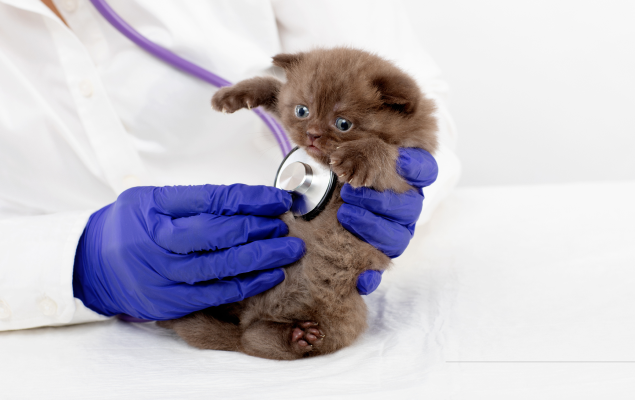
Revolution is a topical solution applied monthly for cats that will spend time outdoors.
Revolution Plus kills fleas, ticks, and prevents heartworm disease. It also treats and controls ear mites, roundworms, and hookworms.
Bravecto topical is a spot-on treatment (a liquid applied to the cat’s skin, usually on the back of the neck). It protects cats from fleas and ticks for an extended period (often up to 12 weeks, depending on the product). For furthor information, you can visit our Credelio Quattro page.
It is important to keep your kitten on flea, tick, and heartworm prevention year-round, and our team at Eagle Animal Hospital can help you choose the right plan during your new kitten vet visit.
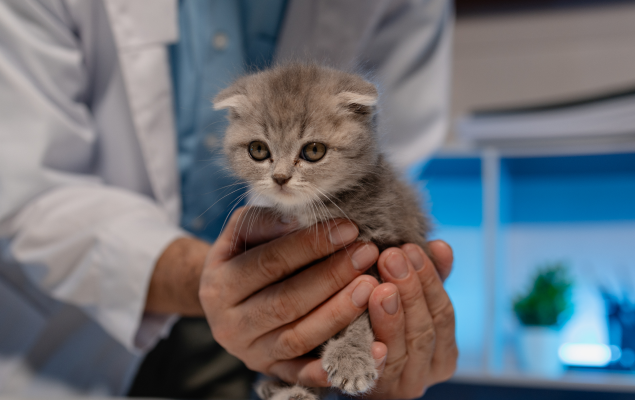
Begin grooming early so your kitten gets used to being handled by you and other people, including veterinarians and groomers. Using a soft bristle brush, gently stroke their back a few times. Try brushing while your kitten is drowsy in your lap.
To desensitize the feet for nail trimming, start by touching your kitten’s paws and gently extruding their claws. Gradually, try trimming a nail or two while giving treats. Delectables are a very effective distraction.
Explore trusted providers to help cover your pet’s care.






Bringing home a new kitten comes with a lot of questions. Here are answers to the ones we hear most often from first-time pet parents.
A new kitten vet visit at Eagle Animal Hospital includes a complete physical exam, weight check, parasite screening, deworming if needed, and Feline Leukemia and FIV testing. Our veterinarians will also start your kitten's vaccination series and review feeding, litter training, and what to expect during each stage of their first year.
Your kitten's first appointment should happen within the first week of bringing them home, ideally around 6 to 8 weeks of age. This visit allows our team to perform a full health check, run important screenings, and start the vaccination series early to give your kitten the best foundation for a long and healthy life.
The FVRCP vaccine for kittens protects against three highly contagious viruses: Feline Viral Rhinotracheitis, Calicivirus, and Panleukopenia (often called feline distemper). It is considered a core vaccine for both indoor and outdoor cats and is given as a series starting at 8 weeks of age, with boosters at 12 and 16 weeks.
Yes, especially during the first year. The FELV vaccine for kittens protects against Feline Leukemia Virus, which weakens the immune system and is spread through saliva and close contact with infected cats. We recommend it for all kittens, since lifestyle and exposure can change as your cat grows.
Per Pennsylvania state law, the cat rabies vaccine is given at 12 weeks of age, with a booster one year later. After that, rabies vaccination is given every 3 years. Rabies protection is required for all cats in Pennsylvania, including indoor-only cats, since exposure can happen through bats and other wildlife.
Eagle Animal Hospital is a family owned veterinary hospital in Chester Springs, PA, caring for dogs, cats, and small animals across Chester County since 2008.